Why Is My Portable Air Conditioner Leaking?
Why is my portable air conditioner leaking? A full tank, loose drain cap, blocked hose, or excess condensation can send water onto the floor. Turn it off and check the drain safely before restarting.
On this page (10 sections)
- Why is my portable air conditioner leaking?
- What should you check first when your portable AC leaks?
- Could the drain or tank be why your portable air conditioner is leaking?
- Can a dirty filter make your portable AC leak?
- Could the exhaust hose or window setup cause a leak?
- How should you choose a portable air conditioner when leaks are a concern?
- When should you stop using a leaking portable AC?
- How can you prevent another portable air conditioner leak?
- Which accessories help when a portable air conditioner leaks?
- What should you do if your portable air conditioner keeps leaking?
Why is my portable air conditioner leaking? A full tank, loose drain cap, blocked hose, or excess condensation can send water onto the floor.
Turn the unit off and inspect the drain safely before restarting.
A little moisture may be part of normal condensation handling, depending on the model. A puddle, repeated overflow, or water near an outlet needs attention.
Why is my portable air conditioner leaking?
The most common causes are a full tank, loose drain cap, or kinked or blocked drain hose. Condensation may also collect near a poorly fitted exhaust setup, while restricted airflow can contribute to excess moisture or ice.
Switch the unit off before inspecting it. If water is near the plug, outlet, or power cord, keep clear of the wet area and ask a qualified electrician for help.
Check your model's manual for its drain method and full-tank warning. Portable units differ, so don't assume every model handles water in the same way.
What should you check first when your portable AC leaks?
Find where the water is coming from before moving or opening the unit. Check the floor around the base, drain outlet, hose, and window area where the exhaust kit is fitted.
- Turn the unit off and let the fan stop.
- Unplug it only if the plug and outlet are dry and safe to reach.
- Place towels or a shallow container near the leak.
- Check the tank indicator, drain cap, and hose for visible problems.
- Follow the manual before removing a panel or clearing a blockage.
Don't tilt a unit that may contain water. Tilting can spread water inside the cabinet or onto electrical parts.
Could the drain or tank be why your portable air conditioner is leaking?
Yes. A full tank, loose cap, or blocked drain can send water onto the floor.
Some units stop or show a warning when water needs to be emptied; check the manual for the exact signal and steps.
Make sure the drain plug or cap is seated as directed. If your unit uses a drain hose, check that it is secure, unpinched, and routed with the slope required by the manual.
Don't push wire, sharp tools, or chemicals into a drain opening. If the manual doesn't explain a safe way to clear a blockage, contact the manufacturer or a repair technician.
For unit-specific steps, see how to drain a portable air conditioner. A drain hose can direct water into a suitable container when the manual allows continuous drainage.
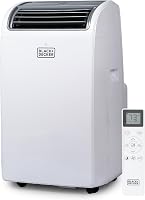
The Black+Decker 8,500 BTU model suits someone who wants an included drain hose and three modes: cooling, dehumidifying, and fan. Skip it if you need smart app or voice control, or if your room needs a unit with a different capacity.
Can a dirty filter make your portable AC leak?
Restricted airflow may contribute to excess condensation or ice, so check the filter if the unit is leaking. Turn the AC off and follow the manual for removing, cleaning, and drying the filter.
Check that curtains, furniture, or dust aren't blocking the intake or outlet. Don't run the unit with a wet filter, and don't scrape ice from internal parts.
If you see ice, leave the unit off and let it thaw naturally. Water may appear as the ice melts, so keep towels nearby and wait until the interior is dry before restarting.
The Midea 10,000 BTU model has a removable, reusable filter, and Midea recommends weekly cleaning during operation. It suits buyers who want app control and a clear filter-care routine; skip it if you don't want to manage a washable filter or need a different room fit.
See how to clean a portable air conditioner for filter and exterior care. If the unit still struggles to cool after cleaning, use why a portable AC may not be cooling to check other likely causes.
Could the exhaust hose or window setup cause a leak?
A loose exhaust connection can let warm, damp air escape near the window, where moisture may collect. Check that the hose is attached at both ends and the window panel and seal are fitted as the manual describes.
Look for a hose that is disconnected, crushed, or sharply bent. Don't cover it or add an unapproved extension.
The SereneLife 8,000 BTU model includes an exhaust hose and window installation plate. It suits buyers who need those parts with a portable unit; skip it if you need app controls, since its listed control method is a remote.
If the unit is new or was moved recently, review how to install a portable air conditioner and check the hose path, window panel, and seals. A leak that continues after a secure setup may come from the drain or another internal issue.
How should you choose a portable air conditioner when leaks are a concern?
Choose based on your room, controls, and the maintenance steps you'll follow. A drain hose or washable filter can make routine care easier, but no listed feature guarantees that a unit won't leak.
Pick the Midea if app or voice control matters and you're comfortable washing its reusable filter regularly. Its stated cooling coverage is up to 300 square feet, so compare that with your room before buying.
Choose the Black+Decker if an included drain hose and remote operation fit your needs. The SereneLife is a better match if you want a remote-controlled unit with an included exhaust hose and window plate.
Skip any option if its room coverage, window setup, or controls don't suit your space. Before ordering, measure the window opening and check the manual for the drainage arrangement and parts compatible with your setup.
When should you stop using a leaking portable AC?
Stop using it if water reaches the plug, outlet, cord, or internal electrical parts. Keep the area clear and ask a qualified electrician or appliance technician for help.
Also stop and seek service if it leaks again after the tank is emptied and the drain is checked, or if you notice a burning smell, damaged cord, or repeated ice buildup. Don't open electrical panels or run the unit while water pools beneath it.
If water is coming from the window area, keep it away from walls and flooring while you correct the seal. Check for signs of water damage before running the AC again.
How can you prevent another portable air conditioner leak?
Empty the tank when the unit signals that it is full, keep the filter clean, and check the drain and exhaust connections during setup. Follow the manual for cleaning, drainage, and maintenance intervals.
Keep the unit level on a firm surface, with clear space around its air intake and outlet. After moving it, inspect the drain cap and hose because a connection may have loosened.
Route the drain hose where it won't kink, slip out of its container, or spill onto electrical equipment. Use continuous drainage only if your manual supports it and follow its connection and routing instructions.
Which accessories help when a portable air conditioner leaks?
A drain hose or replacement exhaust part helps only when it fits your model and follows its manual. Included hoses and kits vary, so check compatibility before adding parts.
The Black+Decker includes a drain hose, while the SereneLife includes an exhaust hose and window plate. The Midea includes an installation kit and has a washable, reusable filter.
Avoid buying a generic hose based only on appearance. Match the connection and routing requirements to your unit, and stop using the AC if it continues to leak after you check the tank, drain, filter, and exhaust setup.
What should you do if your portable air conditioner keeps leaking?
If your portable air conditioner keeps leaking, stop it, check the tank and drain, then inspect the filter and exhaust connections. Choose a model for the room and setup you have, and follow its manual for drainage and care.
If the leak returns after those checks, or water is near electrical parts, leave the unit off and arrange qualified service. For a safe setup, follow how to install a portable air conditioner.
Frequently asked questions
Why is my portable air conditioner leaking water inside?
Water inside the room can come from a full tank, loose drain cap, kinked or blocked drain hose, or condensation near a poorly fitted exhaust setup. Turn the unit off and unplug it only if the plug and outlet are dry and safe to reach.
Check the manual before opening panels or clearing a drain.
Should a portable air conditioner drip water?
Some portable air conditioners collect condensation in an internal tank or send it out through a drain, while others may evaporate some moisture through the exhaust. A steady puddle on the floor, water near electrical parts, or repeated overflow needs attention.
Follow the unit manual for its normal drainage method.
Can I run a portable air conditioner with a full water tank?
Don't keep running it if its full-tank light or shutoff indicates that drainage is needed. Turn the unit off, let it stop, and empty or drain it as the manual directs.
Keep the plug and outlet dry, and check the drain cap and hose before restarting.
Can a dirty filter make a portable air conditioner leak?
A dirty filter can restrict airflow and may contribute to excess condensation or ice, though a leak can have other causes. Turn the unit off and check the filter according to its manual.
Clean and dry it fully before reinstalling, and contact service if leaking continues or ice returns.