How Do You Drain a Portable Air Conditioner?
To drain a portable air conditioner, turn it off, unplug it, and empty its drain port into a shallow pan. For how to drain a portable air conditioner without spills, check the manual first because drain locations and hose options vary by model.
On this page (9 sections)
- How do you drain a portable air conditioner step by step?
- Where is the drain port on a portable AC?
- Can a portable air conditioner drain through a hose?
- How do you choose an AC that needs less manual draining?
- What should you do if the drain is blocked?
- How can you prevent spills while draining?
- How often should you drain a portable AC?
- What should you check after draining?
- Which drain setup should you choose?
To drain a portable air conditioner safely, turn it off, unplug it if the manual says to, and empty the drain port into a shallow pan. The right way to drain a portable air conditioner depends on where its outlet sits and whether the unit supports continuous drainage.
Portable ACs collect moisture from room air as they cool. Some send much of that moisture out with the exhaust, while others collect water in an internal tank that needs to be emptied.
Humid weather, a drain warning, or water under the unit can be a cue to check the manual and inspect the drain.
How do you drain a portable air conditioner step by step?
Switch off the AC, protect the floor, open the correct drain port, and let the water run into a shallow container. Replace the cap securely before restarting the unit.
- Check the manual for the drain port location and any model-specific steps.
- Turn off the unit and unplug it if instructed.
- Put a shallow, stable pan or tray under the outlet.
- Remove the cap or plug slowly, keeping your hands clear of the stream.
- Let the water drain fully, then reinstall the cap or plug.
- Wipe up spills and dry the area before reconnecting power or restarting the AC.
Some units have an upper drain and a lower drain. Check which one the manual identifies for routine draining before removing a plug.
What should you have ready before draining?
Have a shallow pan, towels, and the unit manual ready before opening the drain. A low tray is often easier to fit beneath an AC than a tall bucket.
Move rugs and nearby electronics out of the way, and keep water away from the cord, plug, and outlet. Avoid moving or tilting a heavy unit while it contains water unless its instructions say to do so.
Where is the drain port on a portable AC?
The drain port is often near the bottom or rear of the unit, but its position varies by model. Use the manual or cabinet markings to identify the right outlet.
A port for a drain hose may be separate from the cap used to empty an internal tank. If the AC sits close to a wall, use a flashlight to inspect the back without pulling hard on its exhaust hose.
Once you’ve found the drain, check that you can place a pan underneath or route an approved hose to a safe drain point. For help with the exhaust hose and window panel, read our guide to how to install a portable air conditioner.
Can a portable air conditioner drain through a hose?
Some portable ACs support continuous drainage through a hose when the manual approves the setup. Route it to a suitable floor drain or container, without kinks or upward loops that can hold water.
Secure the hose end so it can’t slip as water flows. If it drains into a bucket, check the bucket often and empty it before it overflows.
The SereneLife 8,000 BTU portable air conditioner includes a drain pipe.
A hose works best when you have a suitable drain nearby and can route the hose without pinching it. Skip this setup if the hose doesn’t fit securely, the drain point is higher than the outlet, or you can’t monitor a collection container.
How do you choose an AC that needs less manual draining?
Choose based on how you’ll handle collected water: a model with an included drain hose can suit planned drainage, while a model that evaporates excess water may reduce routine emptying in suitable conditions. Confirm the manual’s drainage instructions before you buy, since room humidity and unit design affect how much water collects.
Dreo says its 14,000 BTU dual-hose inverter portable air conditioner uses a pump and sensors to evaporate excess water in environments below 90% humidity. That can suit someone who wants to empty a tank less often and has a room within the stated 200–300 sq. ft. range.
Don’t choose a unit on a drainage-free label alone if your room is often very humid or you want a clear backup plan for collected water. Check where any drain hose connects and what to do if a warning appears.
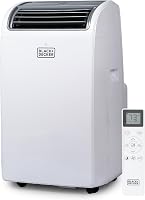
For a simpler manual-drain routine, the Black+Decker 10,000 BTU portable air conditioner includes a water drain hose.
The SereneLife is another option if you want an included drain pipe alongside cooling, fan, and dehumidifier modes. Its stated coverage is up to 300 sq. ft., so match that range to your room rather than choosing by BTU number alone.
Skip a portable AC if you can’t safely empty its tank, route an approved hose, or keep a collection container from overflowing. If room size is still your main question, see what size portable air conditioner you need.
What should you do if the drain is blocked?
Turn off the unit and look for a kinked hose or visible blockage at the drain opening. Don’t push sharp tools into the outlet or force a stuck plug.
Place a pan under the port before removing its cap. If water doesn’t flow, check that the AC is level and follow the manual’s instructions for cleaning the drain.
If water has reached the floor, dry the area before reconnecting power. Our guide to why a portable air conditioner is leaking covers other likely sources and what to inspect.
How can you prevent spills while draining?
Use a shallow, stable container and open the drain slowly. Stop when the container is nearly full, empty it, then continue if water is still flowing.
Keep towels close to the outlet and the unit’s cord raised away from wet areas. Don’t tilt the AC to rush water out unless the manual specifically directs you to do so.
A hose can make repeated draining more convenient, but only if its connection is secure and its route stays clear. Inspect the hose and the area around the outlet after setup, then check for leaks during its first use.
How often should you drain a portable AC?
Drain it when its indicator or manual says to, rather than following a fixed calendar schedule. Humid air can produce more condensation, while some units evaporate more water through the exhaust.
During the first few days of use, check the drain warning or tank so you learn how the unit behaves in your room. If you use a hose, inspect its connection and the destination container regularly.
A warning that returns soon after draining may point to high humidity, a blocked hose, an unlevel unit, or a problem that needs service. For other routine upkeep, see how to clean a portable air conditioner.
What should you check after draining?
Confirm the cap is back in place, the floor is dry, and any hose is routed securely. Restart the AC according to its instructions and watch for leaks or a returning warning.
If water continues to collect quickly, check that you used the correct drain port and follow the manual’s steps. If the cause remains unclear, contact the manufacturer rather than forcing the plug or continuing with a leaking hose.
If the unit runs but doesn’t cool well, use our guide to why a portable AC is not cooling.
Which drain setup should you choose?
Choose manual draining if you can place a pan under the unit when its indicator calls for it; choose a hose if the manual allows it and you have a safe drain or monitored container. A self-evaporating design can reduce routine emptying in suitable conditions, but you should still know what to do if water collects.
For manual draining, keep a shallow pan and towels nearby, and follow the steps above. For hose drainage, confirm the connection, route, and destination before running the AC, then inspect them for leaks.
For a portable AC’s other setup and care needs, start with the portable AC guide. The best answer to how to drain a portable air conditioner is the method its manual allows, matched to a drain setup you can check safely.
Frequently asked questions
How often should you drain a portable air conditioner?
There isn't one schedule for every portable AC. Some models collect water in an internal tank, while others evaporate much of it through the exhaust or support a drain hose.
Check your manual and empty the unit when its indicator or instructions call for it.
High humidity can increase collected water, so inspect the unit more often when the room is damp.
Can you drain a portable air conditioner while it is running?
Turn the unit off before opening its drain port, and unplug it if the manual instructs you to do so. Water can spill when a plug or cap is removed, so place a shallow container underneath and keep the cord and outlet away from the wet area.
Can a portable air conditioner drain into a bucket?
A bucket can catch water from a portable AC drain if the manual permits that setup and the outlet can reach it safely. Use a container large enough for the expected water, check it often, and keep the hose end secured above the water so it cannot spill.
Why does my portable air conditioner keep filling with water?
Frequent water buildup can happen in humid conditions or when the unit collects more condensation than it evaporates. Confirm that the unit is level, the drain cap is secure, and any hose is clear and routed as directed; contact the manufacturer if the warning returns after draining.