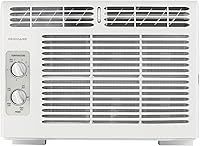
How to Choose a Window Air Conditioner
To choose a window air conditioner, match its capacity to the room and confirm it fits your window. Compare controls, sound, filter care and electrical needs; choose a portable model if you need to move cooling or can't safely install a window unit.
On this page (9 sections)
- How do you choose a window air conditioner for your room?
- What should you measure before buying a window AC?
- Which window AC features are worth comparing?
- When does a portable air conditioner fit better?
- What power and safety checks should you make?
- How do you set up a window air conditioner?
- How should you care for a window air conditioner?
- What common mistakes should you avoid?
- Which type should you choose?
To choose a window air conditioner, match its cooling capacity to the room and confirm it fits the window. Then consider the power supply, sound, controls and filter care.
If you can't secure a window unit or need to move cooling between rooms, compare portable models.
A window AC keeps the main appliance out of your walking space, but it depends on a compatible opening and secure installation. A portable unit sits on the floor and needs a hose and panel to route warm air outside.
This guide explains how to choose by room area, window fit and day-to-day needs. For a closer look at capacity, start with our air conditioner BTU sizing guide.
How do you choose a window air conditioner for your room?
Start with room area, then compare the unit's stated coverage. Room size narrows the choices, while sun exposure, ceiling height, insulation and heat from people or equipment can affect how much cooling you need.
Measure the room's length and width and multiply them to estimate square footage. For an L-shaped or irregular room, measure each section and add the areas.
Use that number to find units rated for a similar space. GE describes its 6,000 BTU window AC for rooms up to 250 sq ft, while LG gives its 8,000 BTU model coverage up to 350 sq ft.
Those coverage figures are useful starting points, not a substitute for considering the room itself. A sunny room, a high ceiling or several heat-producing devices can make the same floor area feel different from a shaded room with fewer heat sources.
Don't choose the largest capacity you can find by default. A unit that cools too quickly may not run long enough to manage humidity well, and excess capacity won't fix a poor window fit or blocked airflow.
If the room has an open doorway to another area, think about how much space you actually want to cool. A single room measurement can be misleading if the unit will be expected to cool connected areas too.
For a bedroom, consider sound and whether you want to adjust settings from bed. Our guide to window air conditioners for a bedroom focuses on those priorities.
How to choose a window air conditioner by room size
Use square footage as the first filter, then account for room conditions. Compare the stated coverage for each model with the space you intend to cool, and review the manufacturer's sizing guidance if your room has unusual heat or layout.
Capacity is often shown in BTUs. The GE example has 6,000 BTU of cooling power and coverage up to 250 sq ft; the LG example has 8,000 BTU and coverage up to 350 sq ft.
Avoid treating BTU as a direct measure of comfort or efficiency. It tells you about cooling capacity, but it doesn't account for sunlight, insulation, air leaks or where the AC will sit.
When two models appear to suit the room, compare their operating features and installation details. A remote, timer or washable filter can matter more in daily use than a small difference in capacity.
What should you measure before buying a window AC?
Measure the opening and the space around it before choosing a model. Check the window style, minimum opening dimensions, frame condition and room-side clearance against the installation instructions.
Window units don't fit every opening. GE specifies a double-hung window 27.125 to 36 inches wide and at least 13.375 inches high for its 6,000 BTU model.
Measure at the points described in the instructions, since the usable opening may differ from the frame's outer dimensions. Check that the sash, sill and frame are sound enough to support the unit and any required mounting parts.
Also consider what is next to and below the window. Curtains, furniture, a cabinet or a nearby wall can block airflow or make the controls hard to reach.
Before buying, make sure you can open the window enough to install the unit and close it against the panels. If the opening is unusually shaped or the frame has damage, ask a qualified installer to assess the fit.
A portable AC may work when a window unit's size or installation style doesn't suit the opening. It still needs a hose and window panel, so measure the opening against the kit's range and plan where the hose will run.
Which window AC features are worth comparing?
Prioritize features that solve a real need in the room. A remote helps when the unit is hard to reach, a timer can schedule operation, and a washable filter makes recurring care simpler.
| Feature | When it helps |
|---|---|
| Remote control | Adjust settings from across the room or from bed |
| Timer | Set a planned start or stop time |
| Washable filter | Remove and clean the filter for reuse |
| Multiple fan speeds | Choose among different airflow settings |
| Auto restart | Restore operation after a power outage on models with this feature |
| Sound information | Compare models for a bedroom or work area |
GE's model combines digital temperature controls, a remote, an energy saver mode, a 24-hour timer and a washable filter. It lets you set a temperature from 64°F to 86°F and has an auto-restart feature.
LG's model has a remote, 3 cooling and fan speeds, auto cool, auto restart and a washable filter. Its stated low-mode sound level is 53 dB, which may matter if the unit will run while you sleep or work.
Don't assume a remote means app or voice control. GE's model isn't WiFi compatible, while the Midea portable model supports app and voice control.
For scheduled cooling, check what the timer actually controls and how far ahead it can be set. GE specifies a 24-hour programmable timer; LG's product information also describes a 24-hour timer.
For heating as well as cooling, check that the model specifically includes heat. Our guide to window ACs with heat covers that separate buying need.
How to choose a window air conditioner for a bedroom
For a bedroom, compare sound information, temperature controls and how easy the unit is to reach. A remote can make nighttime adjustments simpler, while a timer may help you schedule when cooling runs.
The GE model lists sound levels of 52 dB on low and 56 dB on high. LG lists operation as low as 53 dB on low mode.
These figures help with comparison, but the sound you notice can also depend on the room and how the unit is installed.
Look for controls you can use without getting out of bed if that matters to you. Both models include remotes, and GE also gives a digital temperature range from 64°F to 86°F.
A bedroom unit still needs the right capacity and a secure fit. Don't select a smaller unit only because you hope it will be quieter, or a larger one only because you want faster cooling.
When does a portable air conditioner fit better?
Choose a portable AC when you need to move cooling or can't install a window unit. It gives you more placement flexibility, but it occupies floor space and must vent warm air through a window or another suitable opening.
The Black+Decker unit has a 9,000 BTU ASHRAE rating and a 5,300 BTU SACC rating. It is described for rooms up to 400 sq ft and includes casters, side handles, a remote and a window kit.
Midea gives its portable model a 10,000 BTU ASHRAE rating and a 7,100 BTU SACC rating, with stated coverage up to 300 sq ft. Its kit includes a 5 ft hose and adjustable window brackets for openings from 26.5 to 48 inches.
These ratings use different measures, so compare the same type of rating when evaluating portable units. Don't compare a portable AC's ASHRAE number directly with a window model's BTU rating as if they were identical measures.
A portable unit may be easier to remove and store, but moving it involves its weight, hose and window panel. The Black+Decker model weighs 45.3 lb, and the Midea model weighs 50 lb.
Consider the floor area the unit will occupy and whether the hose can reach the opening without sharp bends or blocking a walkway. If you want to move one unit between rooms, think about how often you'll need to re-fit the window panel.
Compare the setup trade-offs in our portable AC or window unit guide. If your main concern is whether a portable model is practical at all, see whether portable air conditioners are worth it.
What power and safety checks should you make?
Check the electrical requirements and installation instructions before you buy. Confirm the outlet and circuit suit the unit, and make sure the window and its support parts can hold it as directed.
The Black+Decker portable model specifies 115V. The Midea product information doesn't specify voltage, so confirm the requirements for the exact model before purchase.
Window units can be heavy and sit partly outside the home. Use the included installation parts as directed and follow the manufacturer's steps for support and positioning.
Don't improvise a support or leave the unit resting on a weak or damaged frame. If you can't secure it according to the instructions, have a qualified professional assess the installation.
Keep the air path clear inside the room. Furniture, curtains and other objects close to the outlet can restrict airflow and make it harder to direct cool air where you need it.
How do you set up a window air conditioner?
Prepare the opening and read the model's instructions before lifting the unit into place. Check the frame, confirm the measurements again and arrange help if the unit is awkward to handle.
Remove obstacles from the window area and make space inside the room. Gather the included mounting parts and any tools the instructions call for before you start.
Follow the installation steps in order. Secure the unit and side panels as directed, and check that the window closes against the panels and the unit sits as specified.
After installation, confirm that the unit is stable and that the indoor airflow isn't blocked by curtains or furniture. Use the controls to select a mode and a comfortable temperature, then adjust the air direction for the part of the room you use most.
Portable AC setup has different steps. Roll the unit into position, connect the exhaust hose and window panel according to the instructions, and check that the panel fits the opening and the hose reaches without obstructing the room.
Midea's portable kit uses a 5 ft hose and adjustable brackets for openings from 26.5 to 48 inches. Check those dimensions before choosing a room, especially if the window is far from the place where you want the unit.
If you may remove a window unit at the end of the season, plan for safe handling and storage before installing it. Our guide on removing a window air conditioner safely covers the steps to consider.
How should you care for a window air conditioner?
Clean the washable filter as the manufacturer directs and keep the airflow path clear. Regular filter care is a simple way to maintain airflow during the cooling season.
Check the filter reminder if your model has one. GE and LG both describe a washable filter, and GE includes a reminder indicator.
Switch the unit off and follow its care instructions before removing or cleaning the filter. Let the filter dry as directed before reinstalling it, and don't run the AC with the filter missing.
Keep the area around the indoor outlet clear of dust and objects. At the start of the season, check the unit and window area for visible damage, loose parts or a change in how securely it sits.
For a portable AC, clean its filter at the interval specified for that model. Midea recommends weekly cleaning during operation; follow the instructions for your own unit if they give a different schedule.
What common mistakes should you avoid?
The most common buying mistakes are choosing by BTU alone, skipping measurements and overlooking the installation setup. Each can leave you with a unit that's hard to install or poorly matched to the room.
Guessing the room size can lead you toward a unit with too little or too much capacity. Measure the space and consider connected areas, sun and ceiling height before narrowing the options.
Measuring the window only once can cause a fit problem. Confirm the usable opening against the model's requirements, including minimum height and width and the window style it supports.
Assuming every window AC fits every window overlooks installation limits. Check the instructions for the exact unit and the condition of your frame before buying.
Treating portable ACs as vent-free misses a key part of setup. A portable model still needs an exhaust route, a suitable panel and enough hose reach.
Choosing based on one advertised BTU number can make portable and window models seem easier to compare than they are. Portable units may show both ASHRAE and SACC ratings, so compare like with like.
Forgetting floor and airflow space can make a portable unit inconvenient or block a window AC's outlet. Plan where the unit will sit and how you will walk around it.
Ignoring filter care can reduce airflow over time. Check that you can reach and clean the filter, and follow the model's recommended schedule.
Which type should you choose?
Choose a window AC if you have a compatible, sturdy window and want the main unit off the floor. Choose a portable AC if you need to move cooling or can't use a window unit, provided you have a suitable exhaust opening and enough floor space.
For a smaller room within its stated coverage and a compatible double-hung window, compare the GE 6,000 BTU model. For a larger room within its stated coverage, the LG 8,000 BTU model offers a remote, multiple speeds and auto restart.
Pick the Black+Decker portable model if casters and side handles are useful for moving the AC between rooms. Consider the Midea portable model if app or voice control matters and its stated coverage, hose and window panel fit your setup.
If no model fits the room and window together, solve the fit problem before buying. Check the measurements, the electrical requirements and the installation instructions, then use our portable air conditioner guide to compare alternatives.
For capacity help, revisit the BTU per square foot guide. The right choice is the unit that matches the room, fits the opening or exhaust route, and has controls and care needs that suit your routine.
Frequently asked questions
How do I choose a window air conditioner?
Match the unit's stated cooling area to your room, then measure the window opening and check the installation requirements. Compare power needs, sound, controls and filter access for the room where you'll use it.
Choose a portable AC if the window can't support a unit or you need to move cooling.
It still needs a hose routed through a suitable opening.
What size window air conditioner do I need?
Measure the room's floor area and compare it with the unit's stated cooling coverage. Sunlight, ceiling height, insulation and heat from people or equipment can affect comfort, so use the stated coverage as a starting point.
Our BTU sizing guide explains how room area and capacity relate.
Is a window or portable air conditioner better?
A window AC suits a room with a compatible, secure window and keeps the main unit off the floor. A portable AC can move between rooms, but takes floor space and needs an exhaust hose and window panel.
Compare the available opening, room layout and how often you need to move the unit.
Can a window air conditioner fit any window?
No. Window units have installation requirements for opening size and window style.
Check the measurements and instructions before buying.
Make sure the frame and sill can support the unit.
Portable units also need a suitable opening for their exhaust hose and panel.
Ask a qualified installer if the frame is damaged or the setup is uncertain.