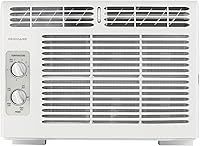
Should You Remove a Window AC in Winter?
Remove a window AC in winter if you can lift it safely and store it indoors. If it must stay installed, secure the unit, seal drafts, and use a cover sized for it.
On this page (6 sections)
Remove a window AC in winter if you can lift it safely and store it indoors. If you are deciding should you remove a window AC in winter, weigh safe handling, storage space, window security, and whether you use the unit's heat function.
Taking it out lets you close the window and keeps the AC out of winter weather. Leaving it in place can make sense when removal is risky, storage is limited, or you use supplemental heat.
Should you remove a window AC in winter?
Remove the unit when you can control the lift safely and secure the window afterward. This is a good fit if you have a safe route to the window, a helper for a heavy or awkward unit, and a dry place to store it.
Window ACs can shift as brackets and side panels are loosened. Read the installation instructions, unplug the unit, clear the work area, and prepare a stable place to set it down.
Don't lean out of a window or use an unstable ladder. If the AC is high up, hard to reach, or too heavy to control, arrange qualified help instead of attempting the lift.
After removal, follow the manual for cleaning and storage, and keep the unit out of walkways and exits. For the steps and precautions, use our guide to how to remove a window air conditioner safely.
Is it safe to remove a window AC by yourself?
Remove it alone only if you can support and control it through every step. A unit can shift suddenly when its brackets or panels come loose, so its weight and position matter more than whether the task looks simple.
Check how the AC is held in place before starting, and make sure the window area is clear. If you cannot keep a firm grip while loosening the supports, stop and get help.
When can you leave a window AC installed?
Leave the AC installed if it is securely supported, the window remains safe, and removal would be impractical or hazardous. This suits people without indoor storage or those who rely on a unit's supplemental heat in cooler weather.
Check that the brackets and side panels are attached as directed and that the window can still be locked or secured. Repair gaps with materials meant for window AC installations, and don't cover openings needed for airflow.
A heat function may make keeping the unit worthwhile, but check the manual for operating limits and instructions. The LG 7,600 BTU window unit has supplemental heat, 2 heating speeds, a remote, and auto restart after a power failure; its stated cooling coverage is up to 330 sq ft.
Choose a heat-equipped unit only if you will use its supplemental heat and can keep the installation secure. Skip that reason to leave it in place if you don't need the heat or cannot confirm safe winter operation in the manual.
Read should a window air conditioner vent be open or closed? before changing the vent setting. If water appears around the unit, why a window air conditioner leaks water explains checks to make next.
How should you cover a window AC that stays installed?
Match the cover to the AC's measurements and to the area you need to protect. An outdoor cover shields the exterior from weather and debris, while an indoor cover helps reduce drafts through the cabinet.
Measure width, height, and depth, including protruding parts. Compare the measurements with the cover's fit guidance before buying; a cover that's too small may not fit, while a loose outdoor cover can shift in wind.
Keep openings clear as the AC manual directs. Use a cover only while the unit is idle, and remove it before operating the AC if it blocks an opening.
Who should choose an indoor and outdoor cover set?
Choose a two-piece set when the AC will stay installed and you want protection on both sides of the window. The ANPHSIN set includes a black outdoor cover, a white indoor cover, and 3 straps with buckles.
The outdoor cover measures 27.5 x 18.5 x 22.5 in, and the indoor cover measures 27.5 x 20 x 3.5 in. The set is designed for window AC units over 12,000 BTU, so check your unit against those dimensions before choosing it.
This set suits a unit that matches the measurements and can be covered safely. Skip it if your AC is outside its fit range or you can't secure the outdoor cover as directed.
Check the cover after strong wind or heavy precipitation, and follow the AC and cover instructions. A cover doesn't fix loose brackets, gaps around the frame, or an unsafe installation.
When is an indoor-only cover the better choice?
Choose an indoor-only cover when drafts through the AC cabinet are your main concern. It won't protect the exterior from rain, snow, or wind, so pair it with a separate outdoor solution if that protection is needed.
The TOHONFOO cover has inner dimensions of 21 x 15 x 3.5 in and uses hook-and-loop straps. Its fit guidance calls for an AC no larger than 20.5 x 14.5 x 3.5 in, including protruding parts.
This is a good choice for an AC that fits those measurements and needs an indoor draft barrier. Wipe it with a damp cloth and air-dry it; don't machine-wash or hand-wash it.
How do you keep drafts out if the AC stays in the window?
Check the cabinet, side panels, and window frame, then seal gaps with materials suited to the installation. An indoor cover addresses air moving through the cabinet, while frame seals address drafts around it.
Close and lock the window as far as the installation allows. Check that the side panels are attached and that weatherstripping or other seals haven't pulled loose.
Don't expect a cover to fix a loose AC or a gap around the frame. Secure the installation and address the source of the draft before relying on a cover.
What mistakes should you avoid before winter?
Measure first, check the AC manual, and don't compromise safe handling to save storage space. These steps prevent a poor cover fit, blocked airflow, or a risky removal.
Common mistakes include:
- Buying a cover without measuring the AC, including protruding parts.
- Using an outdoor cover that isn't secured as directed.
- Leaving a cover in place while operating the AC if it blocks an opening.
- Treating a cover as a fix for loose brackets or gaps around the frame.
- Removing the unit alone when you can't control its weight and movement.
- Forgetting to secure the window after taking the AC out.
Make the removal or cover decision before cold weather arrives, so you have time to arrange help or correct gaps. If the unit is aging, how long window air conditioners last can help you decide whether to keep it for another season.
Should you remove a window AC in winter or cover it?
Remove the AC if you can lift it safely, have indoor storage, and can secure the window afterward. Leave it installed if removal is unsafe or impractical, or if you use its supplemental heat and can keep the unit secure.
If it stays, choose an outdoor and indoor set for two-sided coverage, or an indoor-only cover when the cabinet draft is the main issue. Measure before buying, inspect the seals, and see how to choose a window air conditioner if you're weighing a replacement.
Frequently asked questions
Should you remove a window AC in winter?
Remove it if you can lift and store it safely and secure the window afterward. Taking it out lets you close the window fully and keeps the unit out of winter weather.
If removal is impractical or unsafe, check the installation, seal drafts, and use a fitted cover according to the AC manual.
Can a window AC stay in the window during winter?
Yes, if it remains securely supported and the manufacturer allows it to stay installed. Check the window locks, side panels, seals, and brackets, then use a cover made to fit the unit.
A cover can reduce exposure and drafts, but it cannot make a loose installation safe.
Does an indoor window AC cover stop cold air?
An indoor cover can help reduce drafts through the AC cabinet when it fits closely. Measure the unit, including protruding parts, and follow the cover's attachment and care instructions.
Also check the window and side-panel seals, since gaps around the frame can let air through.
Should you cover the outside of a window AC?
An outdoor cover can shield a window AC from wind, rain, snow, and dust if it fits and is secured as directed. Measure the unit before buying and inspect the cover after rough weather.
Keep required openings clear and follow the AC maker's instructions about covering the unit.